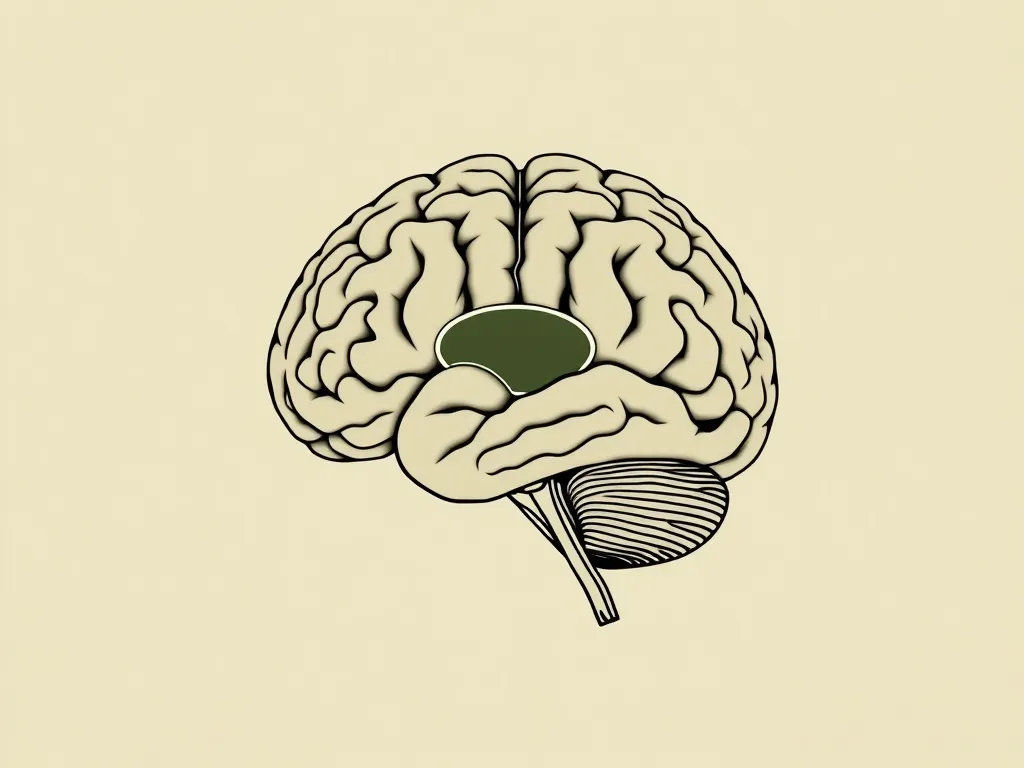
Neurobiology shows dopamine is released during the anticipation of a reward, not the possession. The "high" occurs while browsing or adding items to a cart, creating a cycle where the actual product often fails to satisfy the initial chemical surge.
Why is online shopping more addictive?
The variable ratio reinforcement schedule is key. Infinite scrolling and personalized algorithms mimic slot machines, providing unpredictable rewards that keep the ventral striatum in a state of constant arousal.
What is the "cooling period" duration?
Standard neurological advice suggests a 72-hour window. This allows the prefrontal cortex to re-engage, overriding the immediate emotional response of the amygdala and normalizing neurotransmitter levels before a final decision is made.
Can financial tracking reduce impulses?
Yes. Utilizing Tracking Logs forces the brain to shift from subconscious emotional processing to conscious analytical thinking. Data visualization acts as a cognitive inhibitor for reckless spending.
Control Framework
Systemic advantages of neurological awareness in personal finance.
Phase 01
Striatum Regulation
By identifying the ventral striatum's role in craving, you can categorize purchases as "signals" rather than "needs." This awareness prevents the immediate execution of the buying command, allowing for a structured Purchase Verification process.
Reduced emotional volatility
Enhanced logical filtering
Phase 02
Prefrontal Activation
Engaging the executive functions of the brain through manual budget entry. This creates a friction point that retail interfaces work hard to eliminate. Implementing Financial Boundaries reinforces this cognitive barrier against marketing tactics.
Controlled choice architecture
Long-term goal alignment
Brain Reward Mechanisms
The mesolimbic pathway, often called the reward circuit, is the primary driver of impulsive retail behavior. When a consumer encounters a "limited-time offer" or a visually stimulating product, the brain releases dopamine into the nucleus accumbens. This neurochemical event creates an intense feeling of anticipation. It is a primitive survival mechanism designed to reward the discovery of resources, but in a modern retail context, it is exploited to bypass rational thought processes.
Neurological mapping of consumer response zones
Impulse Trigger Mapping
Triggers are not accidental; they are engineered. Strategic retail environments use "choice architecture" to maximize dopamine spikes. This includes the use of red "sale" tags, which the brain perceives as an urgent signal, and the removal of clocks to distort the sense of time. By mapping these triggers, individuals can recognize the physiological shift—such as increased heart rate or tunnel vision—before the purchase occurs.
Effective mitigation involves identifying whether a trigger is internal (stress, boredom, fatigue) or external (targeted ads, social media influence). Once identified, the individual can deploy a specific counter-measure. For instance, if boredom is the trigger, the protocol might involve a non-financial activity that provides a similar dopamine baseline, such as physical exercise or a 10-minute learning task.
Neurological Cooling Periods
The "cooling period" is a technical term for allowing the biological surge of dopamine to subside. During an impulse event, the prefrontal cortex—the area responsible for logic and future planning—is effectively "offline" as the emotional centers take priority. A cooling period of 48 to 72 hours is usually sufficient for the hormonal levels to return to a baseline state.
Technical Protocol:
"Never complete a transaction via mobile device between 9 PM and 7 AM, as cognitive depletion is at its peak and the brain's ability to resist dopamine-driven impulses is significantly compromised."
During this period, it is advised to perform an Inventory Audit. This physical act of checking what one already owns reinforces the "possession" reality, which often contrasts sharply with the "anticipation" fantasy created by the retail trigger.
Ready to Systematize?
Apply these neurological insights to your daily routine. Transition from reactive spending to a structured financial architecture.