Retail Psychology Report

Store
Environment
Analysis

Technical breakdown of retail spatial engineering and cognitive triggers designed to bypass rational financial decision-making.

Section 01

Supermarket Layout Tactics

Retailers utilize the "Gruen Effect" to intentionally disorient consumers through complex floor plans. Essential items like milk and bread are placed at the furthest perimeter to maximize exposure to high-margin impulse goods.

By forcing a full circuit of the store, the environment increases the probability of unplanned selections by 40%. Proper Purchase Verification is required to counteract these spatial traps.
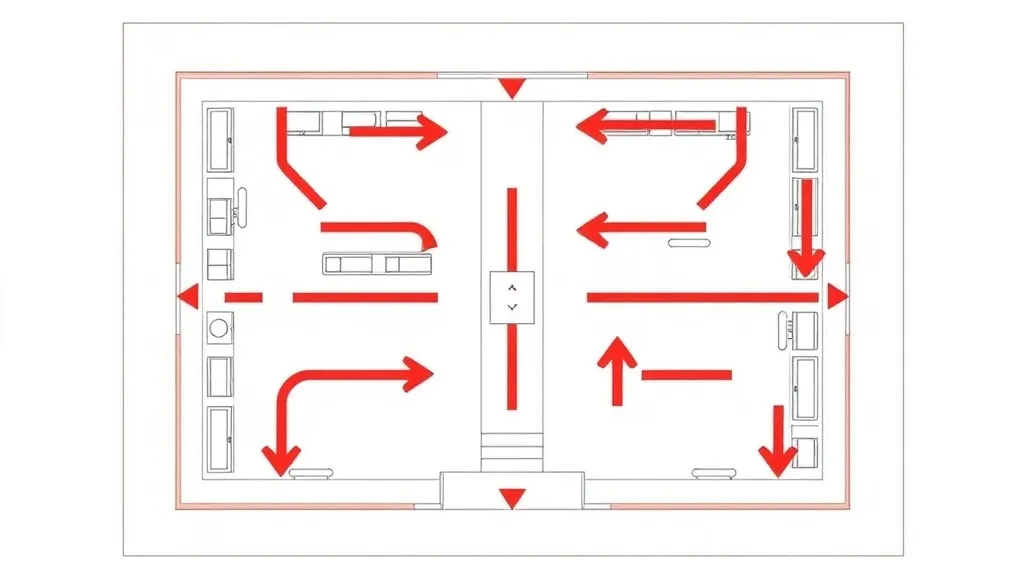
A minimalist architectural blueprint of a supermarket floor
Fig 1.1 — Spatial distribution of high-margin inventory.
Section 02

Digital Nudge Defense

E-commerce interfaces utilize "dark patterns" such as countdown timers and artificial scarcity alerts. These digital nudges stimulate the amygdala, triggering a fear of missing out (FOMO) that overrides the prefrontal cortex during checkout.

Implementing a mandatory 24-hour cooling-off period and clearing browser caches are primary technical defenses. Managing these digital impulses is a core component of effective Reaction Modification.

Local Case Study

Halifax Local Market Traps

Regional markets in Halifax often leverage sensory marketing, using specific scents and lighting to create "dwell time." The longer a consumer stays in a localized retail environment, the more likely they are to engage in emotional spending.

Local vendors frequently use "anchoring" by placing a high-priced artisanal item next to a moderately expensive one, making the latter seem like a bargain. Maintaining a rigid Financial Boundary is the only way to avoid these regional pricing illusions.

Tactical Counter

Use physical lists to maintain focus on high-priority assets only.

Audit Method

Verify every local purchase against the Asset Management log.

Secure your
financial logic.

We use cookies to ensure you get the best experience on our website. Cookie policy